
How artificial intelligence, integrated technology and workplace design are transforming meeting rooms from connected spaces into intelligent collaboration environments.
Artificial intelligence is changing the way we think about workplace technology. As organizations continue to invest in hybrid collaboration, the next generation of meeting rooms will be defined not by the number of devices they contain, but by how intelligently those systems work together to support better communication, productivity and user experiences.
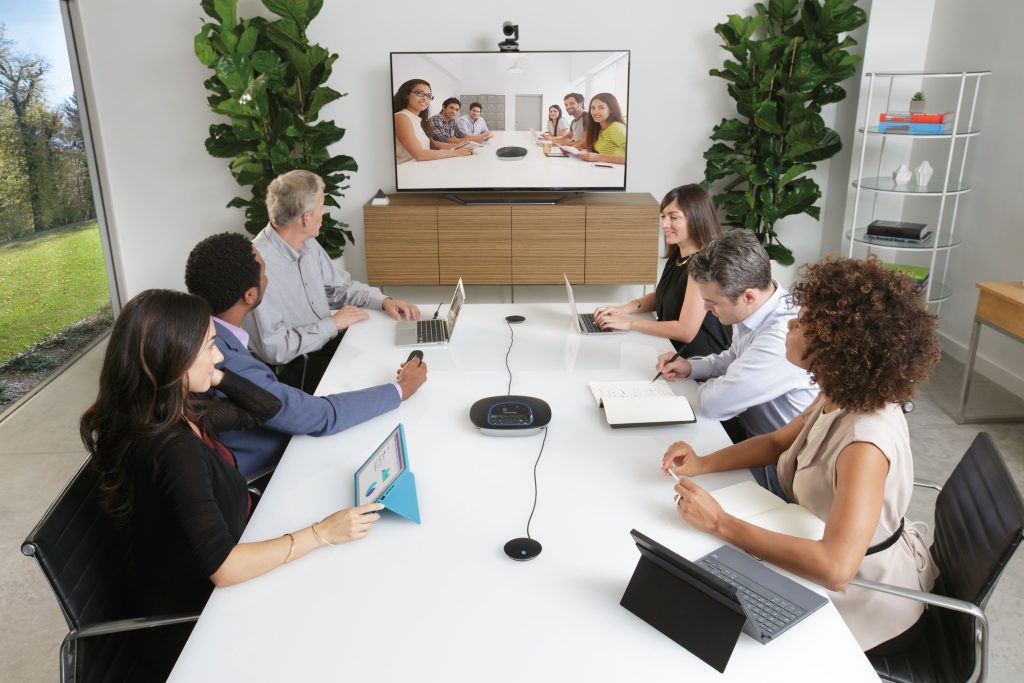
For decades, organizations have measured the success of their meeting rooms by the technology they contained. Larger displays, higher-resolution cameras, premium audio systems and sophisticated control interfaces became the benchmarks for a modern collaboration space. While these investments undoubtedly improved the technical capabilities of meeting rooms, they didn’t necessarily improve the quality of the meetings taking place inside them.
Anyone who has worked in a hybrid environment has experienced the disconnect. Meetings start late because someone can’t connect to the room system. Remote participants struggle to contribute because they can’t hear every conversation. Teams leave without clear outcomes despite having access to the latest collaboration tools. The issue is rarely the technology itself; it is the experience the technology creates.
As organizations continue to invest in workplace transformation, the focus is beginning to shift. Rather than asking how much technology a meeting room contains, forward-thinking businesses are asking how intelligently that technology works together.
From Connected Rooms to Intelligent Spaces
The next generation of meeting rooms is being shaped by artificial intelligence, automation and connected workplace technologies. Individually, these innovations are impressive. Together, they have the potential to fundamentally change how people collaborate.
AI-powered cameras can automatically frame speakers and adjust as conversations evolve. Intelligent audio systems distinguish voices from background noise to improve speech clarity for participants in the room and those joining remotely. Collaboration platforms now generate transcripts, summarize discussions and identify action items without requiring someone to take notes throughout the meeting.
At the same time, occupancy sensors and room analytics provide valuable insights into how workplace spaces are actually being used. Organizations can identify underutilized meeting rooms, understand booking patterns and make informed decisions about future workplace investments based on real data rather than assumptions.
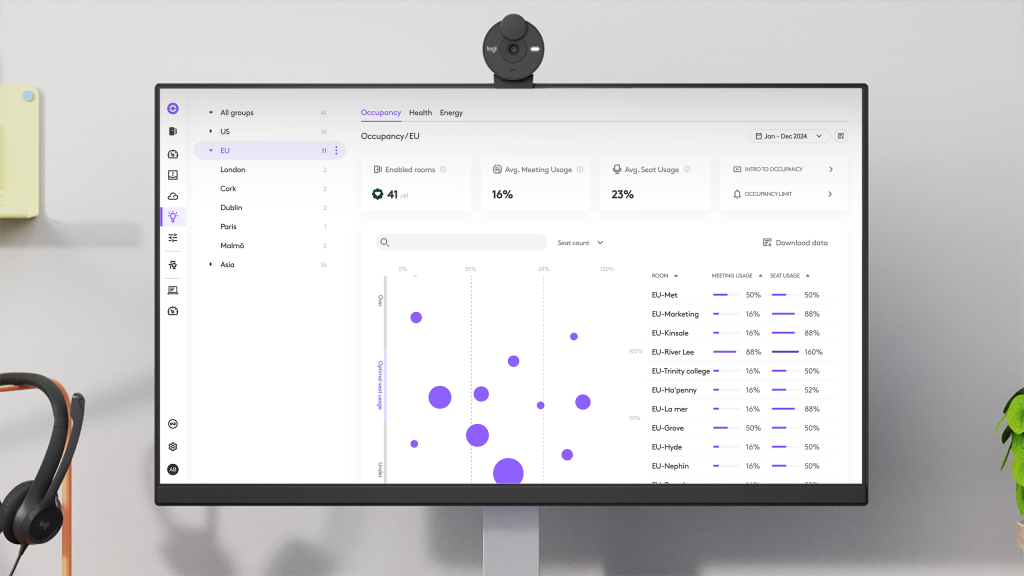
The result is a meeting environment that adapts to its users instead of expecting users to adapt to the technology.
Technology Should Remove Friction, Not Create It
One of the greatest misconceptions surrounding AI in the workplace is that it exists to replace people. In reality, its greatest value lies in eliminating the small frustrations that interrupt collaboration.
Employees should not have to troubleshoot room technology before every meeting. Remote participants should not feel like observers rather than contributors. Meeting organizers should not spend valuable time capturing notes instead of participating in the discussion.
When technology quietly performs these tasks in the background, people are free to focus on what matters most: sharing ideas, making decisions and solving problems together.
The most successful meeting room isn’t the one with the most advanced technology. It’s the one where technology disappears and collaboration comes naturally. It is the one that enables productive conversations with the least amount of effort.
An Intelligent Meeting Room Is an Integrated Ecosystem
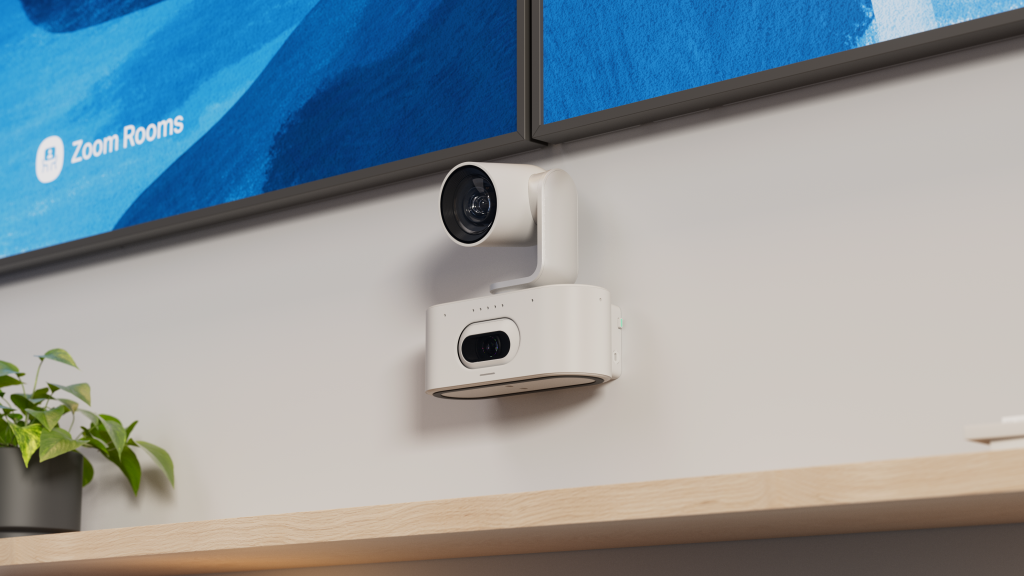
The evolution of workplace technology also requires a shift in how meeting spaces are designed. Organizations can no longer think of displays, cameras, microphones, scheduling systems and environmental controls as separate investments. Each component contributes to a single collaboration experience.
Artificial intelligence strengthens this ecosystem by connecting these technologies and enabling them to work together more effectively. Rather than functioning as isolated devices, they become part of an intelligent environment that responds to occupancy, meeting activity and user behaviour in real time.
This integrated approach also highlights the importance of factors that are often overlooked. Room acoustics, lighting, furniture layout and environmental comfort all influence how effectively AI-enabled technologies perform. Even the most advanced collaboration platform cannot compensate for poor speech intelligibility or an environment that makes communication difficult.
Technology alone does not create great meetings. Thoughtful workplace design does.
Designing the Meeting Room Around People

As organizations prepare for the next generation of hybrid work, success will be defined less by the hardware they purchase and more by the experiences they create.
The smartest meeting rooms will not be remembered for their displays or their cameras. They will be remembered because meetings begin effortlessly, every participant feels equally included and technology fades into the background.
Key Considerations for the Future Meeting Room
As organizations evaluate their next generation of collaboration spaces, several principles will become increasingly important:
Think beyond individual devices.
The value of a meeting room comes from how effectively its technology, acoustics, furniture, and environment work together, not from the capabilities of any single component.
Design for every participant.
Hybrid meetings have changed the definition of a successful collaboration space. Remote participants should have the same ability to hear, contribute and engage as those physically present in the room.
Prioritize simplicity.
The best technology is intuitive. Users should not need technical expertise to start a meeting, share content or collaborate effectively.
Use data to improve workplace decisions.
Room analytics and occupancy insights can help organizations understand how spaces are being used and make smarter investments over time.
The future meeting room will not be defined by more technology, but by technology that is thoughtfully integrated around the needs of the people using it.
At Rova Unify, we believe the future of collaboration lies in creating intelligent workplace ecosystems that bring together technology, workplace design and user experience. Artificial intelligence is an important part of that future, but only when it serves a larger purpose: helping people communicate more effectively, collaborate more naturally and make better decisions together.
Ultimately, the smartest meeting room isn’t the one with the biggest screen. It’s the one that makes collaboration feel effortless.