
Summary
Across Canada, especially in major markets like Toronto, organizations are investing heavily in modern office design. The result? Beautiful, flexible, and brand-forward spaces.
Yet, beneath the surface, there’s a growing issue: Meeting rooms aren’t performing in a hybrid world.
Despite upgraded furniture, sleek finishes, and even new technology, many spaces still fail at their primary job which is enabling clear, productive communication between in-room and remote participants.
The problem isn’t the equipment.
It’s that most meeting rooms were never designed for how we actually work today.
The Hidden Problem in Modern Office Design
Walk into almost any newly renovated office and you’ll see the same thing:
- Clean lines
- Open layouts
- High-end finishes
- Flexible workspaces
Then you step into a meeting and someone says: “Can you hear me?”
It’s become so normal that most teams don’t question it anymore, but they should because that moment reveals a deeper issue: The room isn’t working.
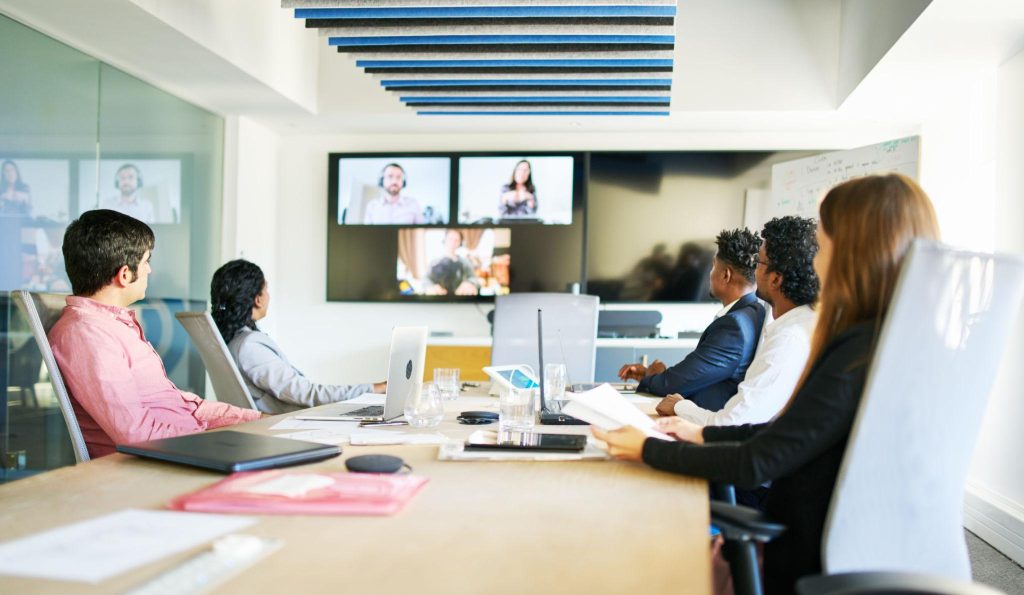
Hybrid Work Changed the Rules, But Not the Rooms
Before 2020, meeting rooms were designed for one scenario: Everyone is physically present. Today, that assumption no longer holds.
Hybrid meetings now require:
- Equal participation between remote and in-room attendees
- Clear, consistent audio coverage across the entire space
- Camera perspectives that reflect presence, not just proximity
- Seamless interaction without technical friction
Yet most rooms still operate on outdated design logic.
The result? A fundamental mismatch between how spaces are built and how they’re used.
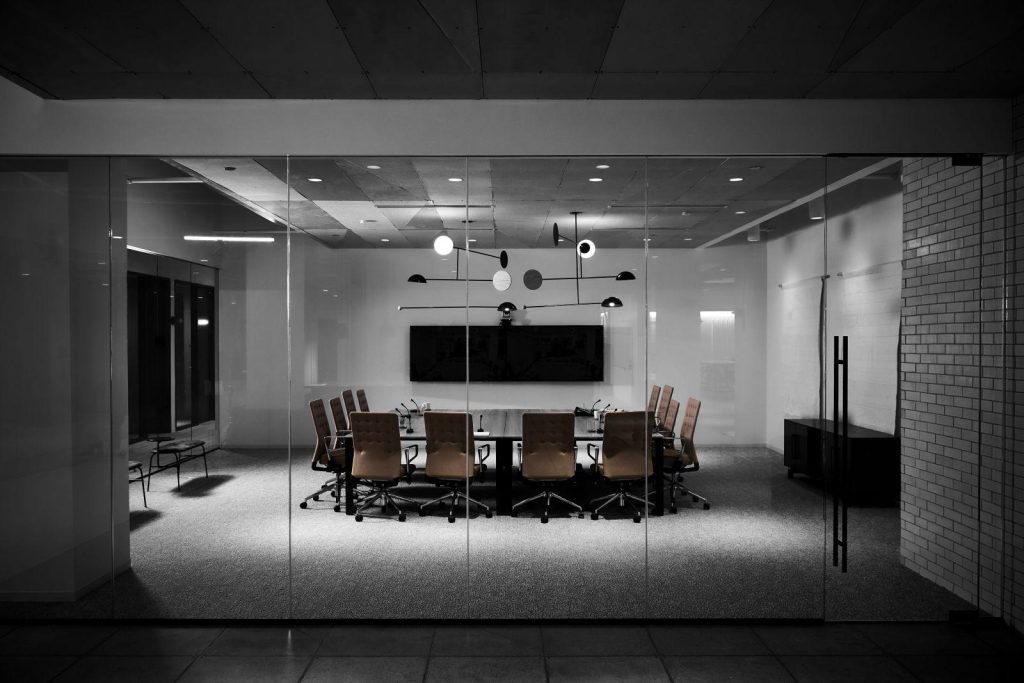
Why Technology Alone Isn’t Solving the Problem
When meetings don’t work, the default reaction is predictable: “We need better equipment.”
So, organizations upgrade:
- Cameras
- Displays
- Microphones
And sometimes… nothing really improves.
That’s because technology, on its own, doesn’t fix:
- Poor room acoustics
- Ineffective layout and sightlines
- Inconsistent audio coverage
- Late-stage integration decisions
In fact, even best-in-class solutions from partners like HP/Poly and Logitech can underperform if the environment isn’t designed to support them.
The issue isn’t the tools. It’s how, and where, they’re used.

The Real Cost of a “Good Enough” Meeting Room
A meeting that starts late, repeats itself, or excludes participants doesn’t just feel inefficient. It is.
Consider:
- Delayed decisions
- Miscommunication
- Reduced engagement from remote team members
- Rework due to unclear outcomes
Multiply that across teams, departments, and weeks and the impact becomes significant.
Bad meetings don’t just waste time. They compound inefficiency across the organization.
Where Most Projects Go Wrong

In many office builds and renovations, meeting room performance is addressed too late in the process.
By the time AV is considered:
- Layout decisions are already locked
- Acoustic conditions are fixed
- Budgets are constrained
- Compromises are inevitable
This leads to a familiar outcome:
A meeting room that technically works but doesn’t perform.
A Better Approach: Design for Performance First
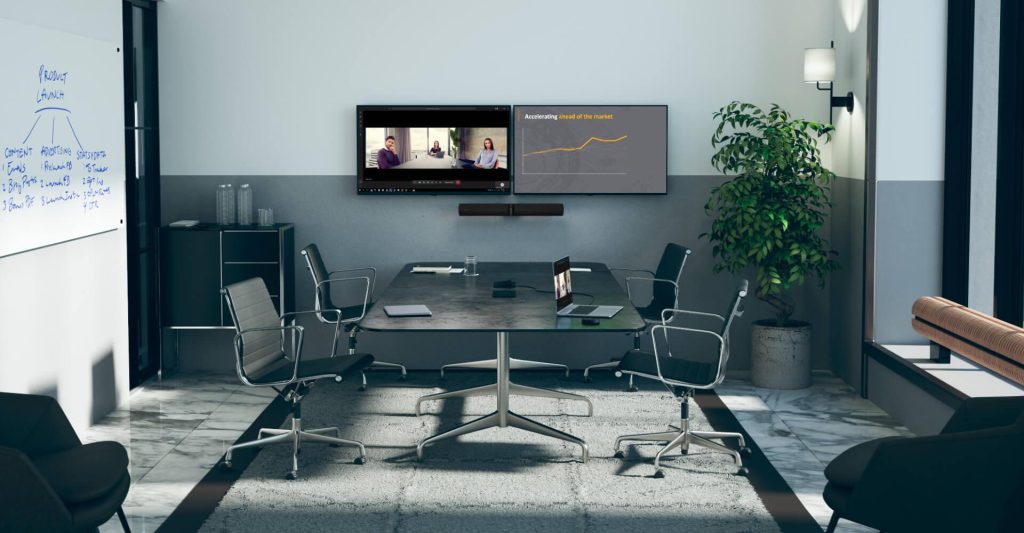
To create meeting environments that work in a hybrid context, organizations need to rethink the process.
That means:
- Start with the meeting experience
- How many participants?
- In-room vs remote balance?
- Type of collaboration?
- Integrate early with design and construction teams
- Align AV with architecture, not after it
- Consider acoustics, layout, and sightlines upfront
- Focus on outcomes, not equipment
- Clarity of communication
- Ease of use
- Consistency across rooms
From AV Installation to Meeting Performance
There’s a growing shift happening in the industry:
From: Installing systems
To: Designing environments that enable better work
This is where organizations begin to see real value, not just in the tools they use, but in how effectively their teams communicate.
The Bottom Line
Most meeting rooms today aren’t broken, but they’re not built for how we work now.
And that gap matters.
If your meeting room doesn’t work for hybrid collaboration, it doesn’t work, period.
Key Takeaways
- Most meeting rooms in Canada were designed for in-person collaboration, not hybrid work
- Poor audio, not video, is the #1 failure point in meeting performance
- Treating AV as an afterthought leads to compromised outcomes
- Meeting room effectiveness directly impacts productivity, decision-making, and employee experience
- The solution isn’t more technology, it’s better integration of space, sound, and collaboration tools
Frequently Asked Questions
Why don’t modern meeting rooms work for hybrid teams?
Most meeting rooms were designed for in-person collaboration. Hybrid work introduces new requirements—like balanced audio, equitable visibility, and seamless interaction—that older designs don’t support.
Isn’t upgrading technology enough to fix meeting room issues?
No. While technology plays a role, it can’t compensate for poor acoustics, layout, or placement. Even high-end solutions from providers like HP Inc. or Poly will underperform if the room itself isn’t designed correctly.
What is the most common failure in meeting rooms?
Audio. If participants can’t hear clearly—especially remote attendees—the meeting breaks down. Video issues are frustrating, but poor audio makes collaboration impossible.
When should AV be considered in office design or construction?
At the very beginning. Meeting room performance should be planned alongside architecture, lighting, and HVAC—not added later when constraints limit effectiveness.
How do you design a meeting room for hybrid work?
Start with the experience:
- Who is in the room vs remote?
- What type of collaboration is happening?
Then design around:
- Audio coverage
- Camera placement
- Room acoustics
- Ease of use
What types of spaces can be improved?
All of them:
- Small huddle rooms
- Medium collaboration spaces
- Large boardrooms
Both new builds and existing offices can be optimized for better performance.
How do I know if my meeting rooms are underperforming?
Look for these signs:
- Meetings start with technical issues
- Remote participants struggle to engage
- Audio is inconsistent across the room
- Teams repeat themselves frequently
If these are common, your rooms aren’t perform
If Your Meetings Aren’t Working, Your Rooms Aren’t Either
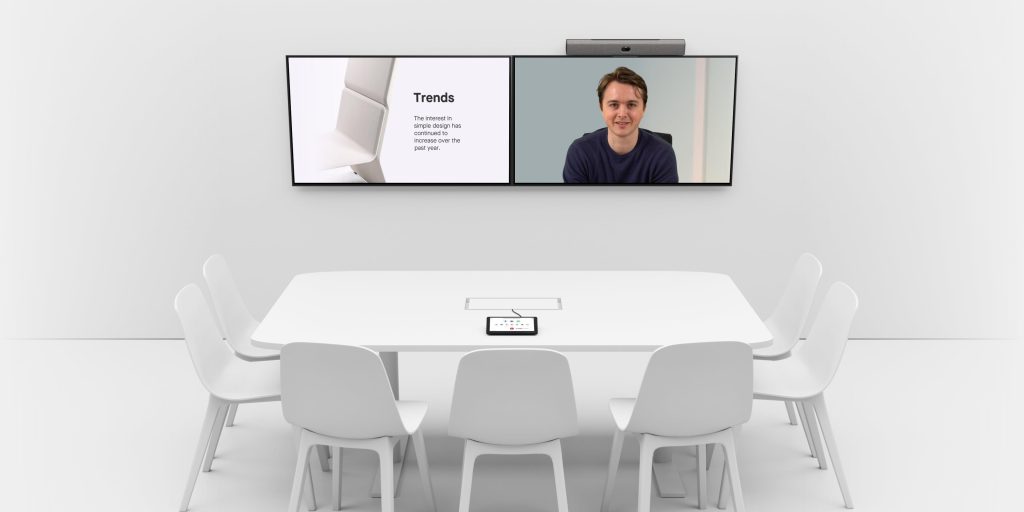
Most organizations don’t realize how much their meeting environments are holding them back, until they fix them.
Whether you’re planning a new office, redesigning a space, or upgrading existing rooms, the opportunity is the same:
Design for performance, not just appearance.
Rova Unify works with organizations across Canada to create meeting environments that actually work, supporting clearer communication, better collaboration, and more productive outcomes.